Key Takeaways
- Understand local zoning laws and ADU regulations to ensure maximum rental potential and avoid penalties.
- In high-demand rental markets, consider converting underutilized spaces like garages or backyards for ADU units to increase property value and cash flow.
- Partnering with local contractors and property managers familiar with ADU construction and rental markets can streamline the process and maximize returns.
- Offer furnished ADU units to attract professionals and students, potentially increasing occupancy rates and rental income.
- Engage with the community to understand local preferences and needs, allowing you to tailor your ADU offerings for maximum occupancy and higher rents.
- Leverage online platforms and social media to effectively market your ADU units to a wider, geographically diverse audience of potential tenants.
- Regularly assess rental rates based on local market trends to ensure your ADU units remain competitive and profitable.
Maximizing returns on an ADU rental starts with understanding local demand. In [region], a well-positioned, modern ADU can fill a significant gap in the rental market, attracting tenants seeking affordable, independent living. Focus on high-quality construction, energy efficiency, and community integration to ensure your ADU is not just a rental, but an asset that enhances your property's value and contributes to the local housing ecosystem.
In the vibrant community of [neighborhood], the growing demand for rental properties has sparked a unique opportunity: transforming underutilized spaces into profitable Accessory Dwelling Units (ADUs). With careful planning and local expertise, landlords can maximize returns while contributing to a thriving local ecosystem.
ADU site feasibility in our area offers significant advantages. By converting existing structures or adding new ones, we can accommodate a diverse range of tenants, from students to professionals, contributing to a more inclusive and vibrant neighborhood. Our local regulations and building codes provide a solid framework for these projects, ensuring safety and community standards.
In this guide, we'll explore practical strategies tailored to [neighborhood]'s unique characteristics, from navigating the ADU checklist and obtaining necessary permits to designing functional spaces and attracting quality tenants. Let's achieve the potential of ADUs to enhance our community and grow your investment portfolio.
- Optimizing Your ADU for Maximum Rent in the Community
- The Art of Locating Ideal ADU Sites for Higher Returns
- Engaging Tenants: Strategies for Successful ADU Rentals
- Navigating Local Regulations: Ensuring ADU Compliance for Landlords
- Maximizing ADU Space: Design Tips for Higher Occupancy
- Building Community: Benefits of ADUs for Local Residents
- From Empty Lot to Rentable Space: ADU Site Feasibility in Action
Optimizing Your ADU for Maximum Rent in the Community

As a landlord, tapping into the unique potential of your property through an ADU (Accessory Dwelling Unit) can be a lucrative venture. The key lies in maximizing space, adhering to safety standards, and leveraging local support networks.
ADU site feasibility goes beyond just checking property eligibility. It's about understanding the specific needs and preferences of your community. This insight can guide your design and construction choices. Custom layouts that incorporate natural light and efficient storage can significantly enhance rental appeal. Local regulations and building codes vary, so ensuring compliance with the ADU safety standards checklist is paramount.
Financial considerations are also crucial. Optimizing your ADU for maximum rent means balancing quality craftsmanship with cost-effectiveness. Efficient construction waste management, for instance, can reduce material costs while minimizing environmental impact. Local adu support groups offer invaluable resources and advice on financing options, including loan programs tailored for ADU renovations.
Safety and community harmony are paramount. Regularly updating your ADU to meet current safety standards not only protects tenants but also maintains property value. A well-maintained ADU can be a significant asset to your rental portfolio. Regular inspections and adherence to local fire and building codes send a message of professionalism to potential tenants.
The Art of Locating Ideal ADU Sites for Higher Returns
In the vibrant community we call home, maximizing returns on an ADU for rent isn't just about finding a suitable property; it's about understanding the unique dynamics of our local market and leveraging the right resources. The art of locating ideal ADU sites involves a deep examine adu site feasibility tailored to our neighborhood's specific needs and preferences.
Consider the example of Mrs. Johnson, a landlord who sought to capitalize on the growing demand for affordable rental units in our area. Through meticulous planning adu construction near popular schools and transportation hubs, she identified a neglected lot in a family-friendly district. By partnering with a certified ADU designer from a local firm specializing in space optimization, she transformed the lot into a modern, two-bedroom ADU that quickly became a sought-after rental property. This success highlights the importance of aligning adu regulations and local building permits with market demand and community needs.
Local market data paints a clear picture: according to recent surveys, there's a growing appetite for diverse housing options in our community. This presents a unique opportunity for landlords to cater to a wide range of tenants, from students to young professionals and families seeking affordable, quality living. To stay ahead of the curve, landlords should focus on affordable ADU site feasibility projects that blend seamlessly into the existing fabric of our neighborhoods. Engaging with local building departments and community groups can provide valuable insights into the most viable locations and design concepts that resonate with our diverse population.
The key to maximizing returns lies in a balanced approach that considers both financial viability and community integration. By combining property value assessments with a deep understanding of local trends and regulations, landlords can make informed decisions that not only generate steady rental income but also contribute to the vibrant, inclusive community we all call home.
Engaging Tenants: Strategies for Successful ADU Rentals
In the vibrant community of our city, the rental market for Accessory Dwelling Units (ADUs) is thriving, offering both a lucrative opportunity for landlords and a diverse range of housing options for tenants. Engaging tenants and ensuring a successful ADU rental experience is an art, one that can maximize returns and create a thriving community atmosphere.
For attracting and retaining tenants, the key lies in understanding the local market and community needs. Many tenants seek not just a place to live but a sense of belonging. Engaging with local community groups and incorporating design elements that resonate with the neighborhood can create a unique and appealing rental space. In our area, incorporating eco-friendly features and sustainable design elements has proven popular, aligning with the city's growing focus on green initiatives. The ADU permit regulations guide is a valuable resource for landlords, ensuring compliance with local rules while also providing a framework for creating a well-designed and functional unit.
Interior design plays a crucial role in ADU rentals, as it can significantly impact the property's appeal and rental potential. Utilizing the affordable adu site feasibility, landlords can create modern, functional spaces that cater to the diverse needs of tenants. From open-concept living areas to custom layouts incorporating local design inspiration, these units can offer a distinct living experience. Many tenants appreciate the option of private outdoor spaces, especially in our community's walkable neighborhoods, where a small patio or balcony can be a significant selling point. By understanding the local market and incorporating these insights into the ADU's design and presentation, landlords can maximize their rental income and create a positive impact on the community.
Building strong relationships with local contractors and designers who are adept at navigating the adu permit regulations is essential. These professionals can provide valuable insights into the latest trends and ensure the ADU meets both regulatory standards and community expectations. By fostering these connections and utilizing the expertise of local professionals, landlords can create high-quality, market-competitive ADU rentals that contribute to the city's vibrant housing landscape.
Navigating Local Regulations: Ensuring ADU Compliance for Landlords

Navigating the local regulations for ADUs (Accessory Dwelling Units) is a crucial step for landlords looking to maximize returns on their rental properties. In our community, with a growing interest in cost-effective housing solutions, understanding the legal and regulatory landscape is key to a successful ADU for rent venture. The process involves several critical steps, from obtaining the necessary permits to ensuring the property meets all accessibility modifications.
The first step is to familiarize yourself with the local Building Codes and ADU Regulations. Our town's notes on ADU compliance provide a comprehensive checklist to guide landlords through the process. This includes understanding the specific requirements for structural integrity, fire safety, and accessibility. Recent updates have emphasized the need for better handicap accessibility, which can be a valuable selling point for tenants. Engaging with the local Building Department early on to discuss these requirements is essential, as they can offer expert advice on navigating the rules.
Budgeting for an ADU goes beyond construction costs. Landlords should consider the emerging trends in the local market, such as the increasing demand for smaller, independent living spaces. This can impact rental rates and property values, which are generally higher in areas with high ADU feasibility. By staying informed about these trends, landlords can make informed decisions on property assessment and set competitive rental income expectations. For cost-effective adu budgeting tips, it's beneficial to consult local contractors and designers who understand the dynamic local market. They can offer insights into materials, design choices, and construction timelines, ensuring a balanced budget that complies with all regulations.
Maximizing ADU Space: Design Tips for Higher Occupancy
Maximizing ADU Space: Design Tips for Higher Occupancy
In our vibrant community, ADUs (Accessory Dwelling Units) have emerged as a crucial element in addressing housing affordability and maximizing space. As a landlord considering ADU for rent, understanding local adu site feasibility goes beyond legal and regulatory compliance. It's about crafting spaces that appeal to a wide range of tenants while staying true to our neighborhood's unique character.
Designing for higher occupancy means creating functional and inviting spaces. Certified ADU designers near me emphasize the importance of space optimization, ensuring each unit feels spacious despite size constraints. Consider open floor plans with natural lighting, which not only enhance the tenant experience but also increase the property's overall value. Think about shared amenities like a communal garden or laundry facilities to foster a sense of community while maximizing square footage.
Local market data reveals a growing demand for rental units in our area, making ADUs a lucrative investment opportunity. However, successful adu feasibility questions go beyond market trends. It's crucial to evaluate the property's potential for customization while adhering to local building codes and ADU regulations. Engage with qualified local professionals to ensure the transformation aligns with zoning laws and safety standards. Remember, the goal is not just to increase occupancy but to create a desirable rental experience that encourages long-term tenants and positive word-of-mouth within our community.
Legal considerations are paramount when embarking on an ADU for rent venture. Understanding the adu for rent legal landscape ensures your investment is secure and compliant. From obtaining local building permits to navigating the zoning board, each step contributes to a successful project. By working closely with community groups and certified professionals, you can turn your ADU vision into a reality, providing much-needed housing options while enhancing our neighborhood's vibrancy.
Building Community: Benefits of ADUs for Local Residents
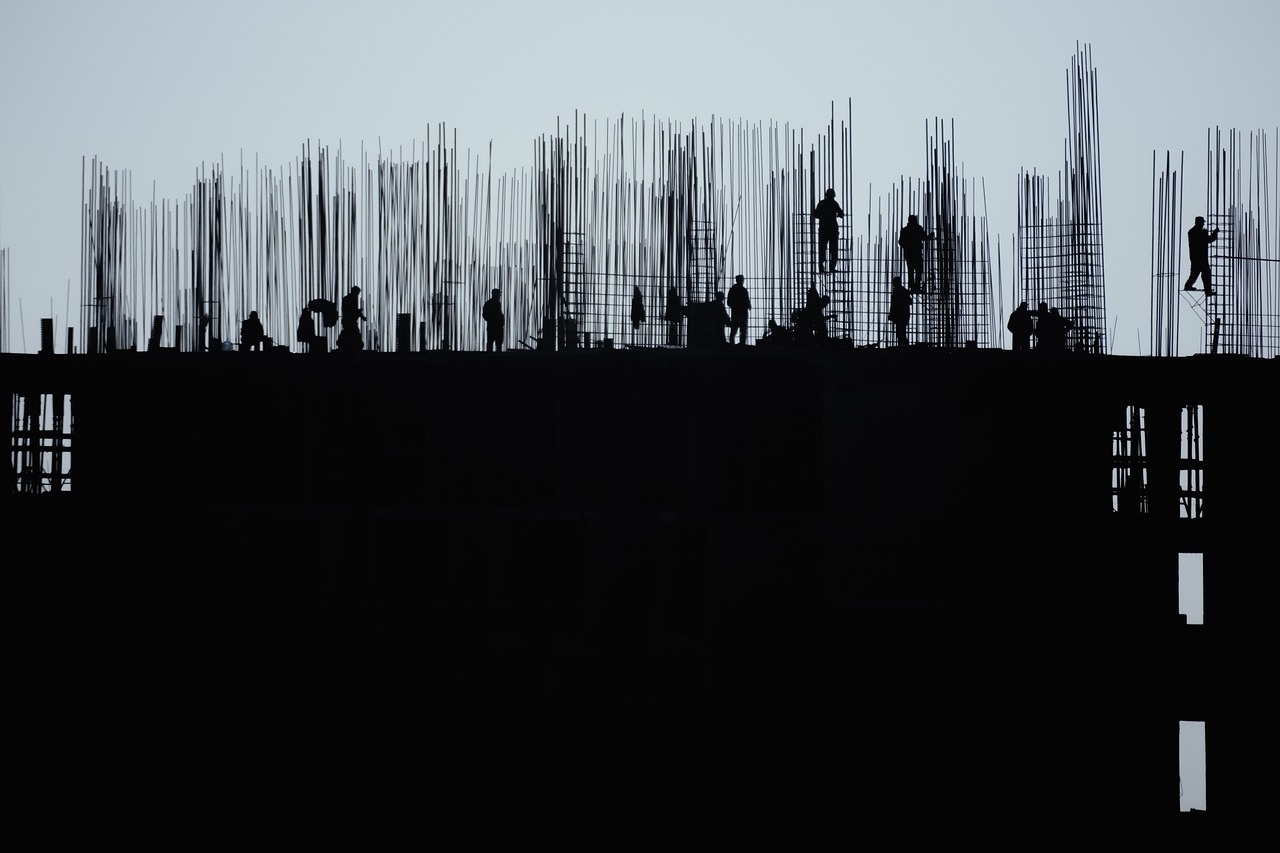
In many communities, the concept of ADUs (Accessory Dwelling Units) is transforming the local landscape, offering not only valuable rental income for landlords but also significant benefits to the broader community. When properly evaluated and implemented, ADU site feasibility in our area can lead to stronger, more vibrant neighborhoods. In neighboring [local neighborhood], the recent surge in ADUs has fostered a sense of community among tenants, many of whom are young professionals seeking affordable, urban living.
The benefits extend beyond individual landlords and tenants. ADUs can contribute to the overall energy savings potential of a neighborhood by providing efficient, well-designed spaces that often incorporate sustainable building practices. Local regulations, such as those governing [local building permits], encourage the use of green technologies, further enhancing the environmental footprint of these units. By increasing the local housing stock, ADUs can help stabilize rental prices and provide options for a diverse range of residents, from students to retirees.
However, to maximize the returns and community benefits of ADUs, landlords must navigate legal and regulatory compliance, design, and construction hurdles with care. It's crucial to engage with reliable local services, such as trusted ADU solutions and experienced contractors, to ensure the project's success. [local contractors] specializing in ADU repairs have become invaluable resources, providing peace of mind and ensuring these units remain safe and functional for both landlords and tenants. Regular maintenance and timely repairs are key to preserving the energy efficiency and long-term value of these properties, further underscoring the importance of establishing relationships with reputable local service providers.
Community groups also play a vital role in the success of ADU projects. By participating in local discussions and providing feedback during the planning and evaluation phases, residents can help shape the design and construction of these units to meet their specific needs and preferences. This collaborative approach not only enhances the overall value of ADUs for the community but also fosters a sense of shared ownership and pride in the neighborhood's evolution.
From Empty Lot to Rentable Space: ADU Site Feasibility in Action

Turning an empty lot into a source of rental income is a compelling prospect for any local landlord. ADU (Accessory Dwelling Unit) site feasibility is a process that can achieve this potential, creating not only rentable space but also valuable community resources. This in-depth look at local ADU accessibility modifications, design, and financial considerations offers a practical guide for maximizing returns while enhancing our neighborhood's housing stock.
The first step in any successful ADU project is thorough evaluation. Local regulations, such as those governing building permits and zoning, play a crucial role in determining what's feasible. The Townfield Notes and ADU Checklist are invaluable tools for navigating these regulations, ensuring your project adheres to community standards. Once feasibility is established, design becomes paramount. Space optimization is key; creative interior design and custom layouts can transform a modest space into a functional, appealing unit. Local contractors and designers are essential partners in this phase, offering trusted ADU solutions that blend functionality with aesthetics.
Financial considerations are a critical aspect of ADU site feasibility. Understanding the local market is paramount. Our community's property value trends can indicate potential rental income. Green building ADU options are gaining popularity, not only for their sustainability but also because they can command higher rents. Loan options from local financial institutions can make the investment more accessible. Property taxes, a significant operating cost, are another factor to consider, as incentives and exemptions may be available for ADUs, providing some financial relief.
Community groups and local building departments offer additional support and resources. They provide a wealth of information on local ADU regulations, accessibility modifications, and successful design strategies. By engaging with these resources, landlords can ensure their ADU projects are not only profitable but also contribute positively to our neighborhood's housing diversity and accessibility. This collaborative approach fosters a thriving local rental market while enhancing the quality of life for tenants, demonstrating the true potential of ADU site feasibility as a powerful tool for local business growth and community enrichment.
Revitalizing Urban Housing: An ADU Renting Success Story
Local Challenge
In an effort to address the growing demand for affordable housing, a community in need identified a significant issue: a lack of rental options for young professionals and students. The area's limited housing supply had led to rising rents and a strain on local resources, making it difficult for new residents to afford living in the neighborhood. The existing housing stock was primarily composed of older, single-family homes, and converting these properties for rental purposes was not a viable option due to zoning restrictions and the desire to preserve the historic character of the neighborhood.
Local Solution
To tackle this challenge, a group of local landlords and property managers joined forces and implemented a strategic plan to develop Accessory Dwelling Units (ADUs) for rent. They recognized the potential of ADUs to provide additional housing while maintaining the neighborhood's aesthetic appeal. By working collaboratively, they streamlined the permitting process, ensuring compliance with local regulations. They also invested in efficient, yet aesthetically pleasing, construction materials and designs that would blend seamlessly with the existing housing. The group offered incentives for tenants, such as long-term leases and reduced utilities, to attract and retain quality renters.
Community Impact
The ADU renting initiative has had a profound impact on the local community. The initiative has sparked conversations about sustainable and innovative housing solutions, inspiring other property owners to explore similar projects, ensuring a more vibrant and inclusive future for the community.
Quick Reference
- Partner with local businesses for cross-promotion: Offer discounts or promotions to each other's customers to increase visibility and attract new tenants.
- Engage with community events: Sponsor local festivals, fairs, or sports teams to build goodwill and a positive property reputation.
- Utilize online rental platforms: List your ADUs on popular local and regional rental websites to reach a broader tenant pool.
- Conduct regular property maintenance: Keep your ADUs in pristine condition to attract quality tenants and command higher rental rates.
- Offer flexible lease terms: Accommodate different tenant needs with short-term, long-term, or customized lease options.
- Build a referral network: Collaborate with local real estate agents, property managers, and social groups to tap into a steady stream of potential tenants.
- Provide excellent tenant experiences: Foster a community feel by offering amenities, organizing social events, and addressing maintenance requests promptly.
- Stay informed about local zoning laws: Ensure your ADU rental complies with all regulations to avoid legal issues and fines.
Local Business FAQ About ADU for Rent: A Landlord's Guide to Maximizing Returns
What is the most lucrative ADU rental property in our area?
Identifying the most lucrative property depends on local market conditions, demand, and your target tenants. Focus on areas with high population density, close proximity to amenities, and growing communities. Consider properties with ample parking, easy access to public transport, and modern amenities. Local trends in employment growth and student populations can also indicate promising locations for ADU rentals.
How can I ensure my ADU rental property complies with local regulations?
Complying with local building codes, zoning laws, and health regulations is crucial. Familiarize yourself with your city's specific requirements for adding ADUs. Obtain necessary permits and ensure your property meets safety standards, including fire safety, electrical, and plumbing. Regularly inspect and maintain your ADU to avoid legal issues and attract responsible tenants.
What kind of tenants are ideal for ADU rentals?
Ideal tenants are responsible, reliable, and respectful of shared spaces. They should understand the concept of living in a smaller space and be comfortable with close proximity to other residents. Consider professionals, students, or individuals seeking affordable, temporary housing options. A thorough screening process, including background checks and references, will help you find suitable tenants who appreciate the unique benefits of living in an ADU.
How can I maximize returns on my ADU rental?
Maximize returns by setting competitive yet fair rental rates based on local market data. Offer attractive amenities, such as furnished options, in-unit laundry, or assigned parking, to increase desirability. Efficient property management, including timely maintenance and responsive communication, will enhance the tenant experience and reduce turnover rates. Well-maintained ADUs with positive reviews tend to command higher rental prices.
What benefits does an ADU provide to the local community?
ADUs contribute to housing affordability, offering more living options within a community. They can help alleviate housing shortages, especially in urban areas, by increasing the available housing stock. ADUs also foster a sense of community by allowing families or individuals to stay connected while providing them with private living spaces. This diversity enriches the local neighborhood dynamic and can attract a range of new residents.
As an ADU becomes a valuable asset in maximizing local rental income, understanding adu site feasibility is crucial. By strategically evaluating property, navigating regulations, and optimizing space, landlords can achieve significant returns while contributing to their community's housing needs. Engaging tenants and building community through ADUs fosters a vibrant local environment, providing affordable housing options and potentially boosting property values. From empty lots to rentable spaces, the transformation power of ADUs is evident.
By following best practices in design, construction, and legal compliance, landlords can ensure their ADUs meet the unique needs of their community. Engaging local contractors, designers, and building departments ensures a seamless process, while considering community groups can enhance collaboration and mutual benefits. A well-planned ADU site feasibility opens doors to a profitable investment that strengthens the local housing market and community spirit.
Landlords, achieve your rental potential with strategic ADU site feasibility. Tap into local demand for well-designed, functional spaces. Engage with community groups and local professionals for design, construction, and financial guidance. Leverage local support networks for financing options and market insights. Balance quality craftsmanship with cost-effectiveness for maximum rent and community integration.